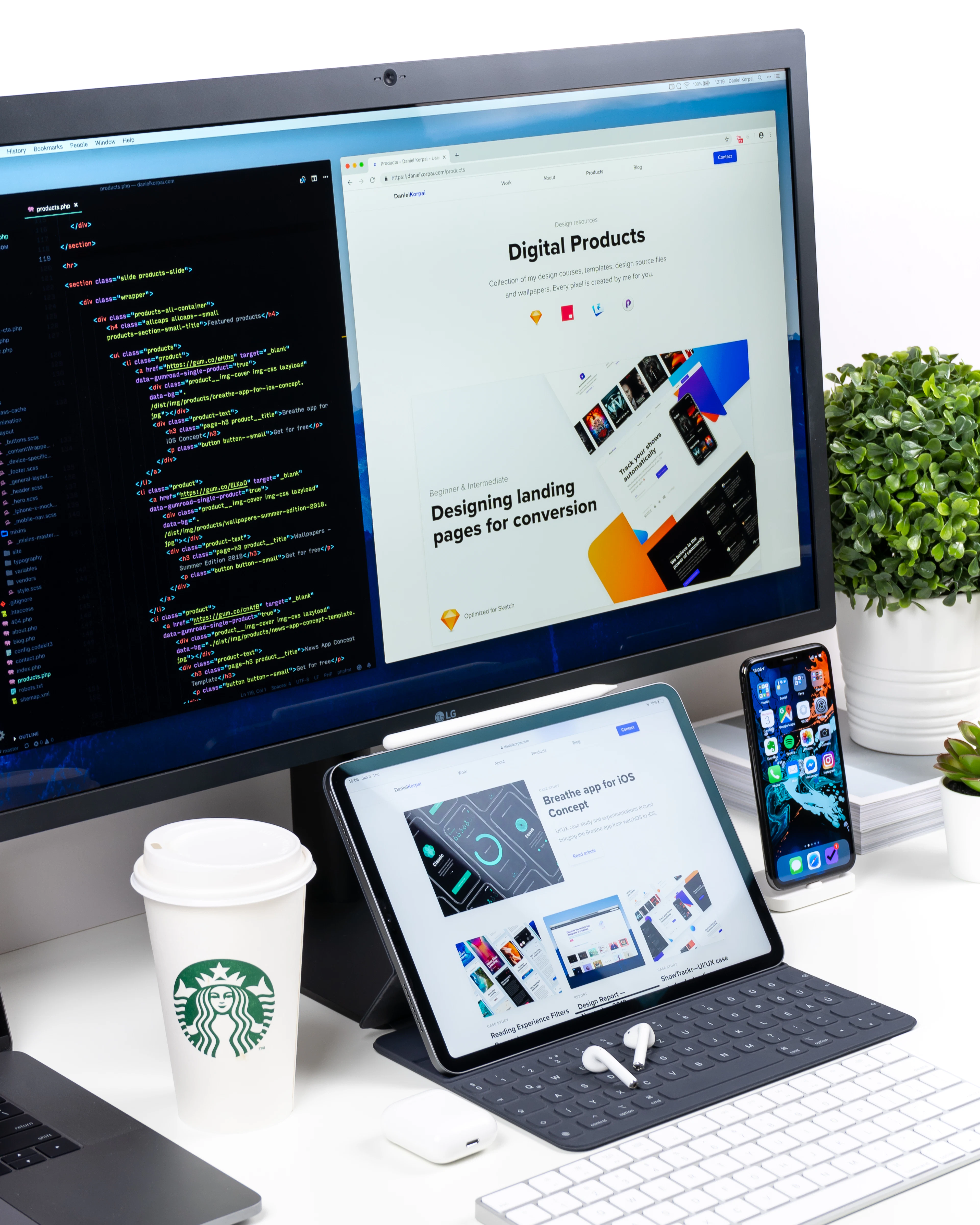
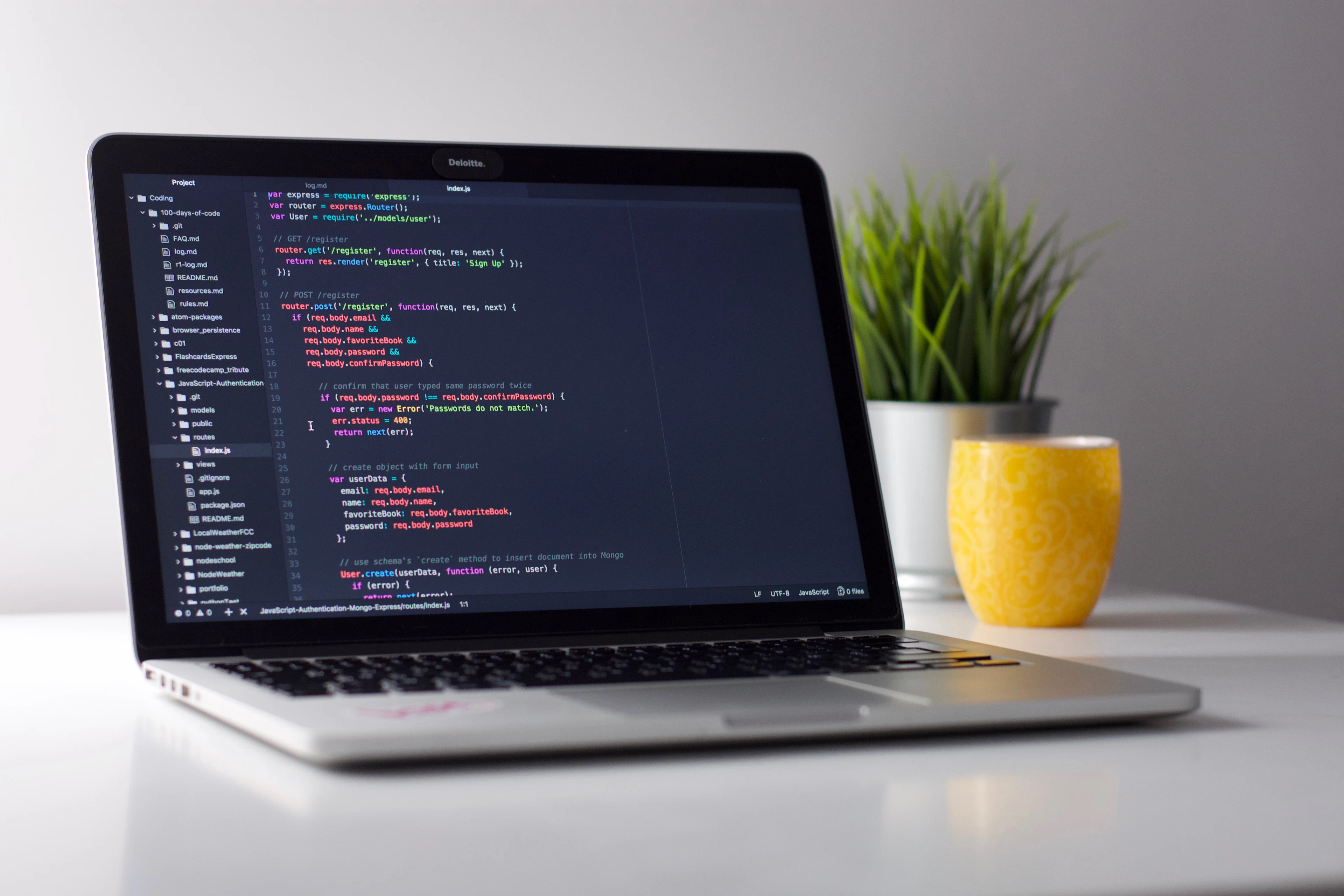
"Can't we just use WordPress?" is the most common question we hear from businesses planning a website, and it deserves a straight answer rather than a sales pitch. WordPress powers a huge share of the web, and for a personal blog or a temporary campaign page it is a reasonable choice. The honest comparison starts when your website is something your business depends on.
Here is the same comparison we used to publish on our homepage, dimension by dimension.
A custom build is hand-built to ship only the code each page needs, which keeps it fast even on Kenyan mobile data. A template site carries plugin and theme bloat that slows everything down, and the usual response is bolting on caching plugins to cope with weight that should never have been there.
Security
With a custom build there is no third-party plugin attack surface: every dependency is reviewed and owned by you. WordPress is the most attacked CMS on the internet, and vulnerable plugins and themes are the usual way in. Most compromised small-business sites we are asked to rescue were running a plugin nobody remembered installing.
Ownership
At handover of a custom build you own 100% of the source code, the data and the accounts. A template site ties you to themes, page builders and plugin subscriptions that you keep paying for, and that you cannot take with you.
Customisation
If you can design it, we can build it. There is no template ceiling. On a theme, anything bespoke means fighting the framework, and the fight gets harder with every change you stack on top.
Scalability
A custom build is architected to grow with your traffic, your data and your feature roadmap. Template sites strain under load, and re-platforming later, when the business is busiest and can least afford downtime, is slow and costly.
Maintenance
Custom maintenance is predictable: nothing force-updates itself overnight. WordPress plugin and core updates routinely break live sites without warning, which is why "the site went down after an update" is such a familiar story.
SEO and AI search (GEO)
A custom build ships clean, structured markup built for Google and for AI answer engines from day one. Templates produce generic markup, and you lean on yet more plugins to approximate the basics.
Cost over time
This is the comparison that surprises people. A template site is cheaper to start, then licences, premium plugins and emergency fixes quietly add up, year after year. A custom build is one fixed build cost, then low and predictable running costs. Over a three to five year horizon the custom build is very often the cheaper website.
So when is WordPress the right answer?
When the site is genuinely disposable or genuinely simple: a personal blog, a short-lived event page, a project where "good enough this weekend" beats "right for five years". If that describes your project, use WordPress with our blessing.
If your website is how customers find you, judge you and pay you, it deserves engineering. See how we build websites or talk to us about a custom build and we will give you the same straight answer in person.