
52.3 million smartphones: mobile-first is no longer a design choice.
The Communications Authority's latest figures put smartphones at over 52 million connected devices. Here is what that means for your website.

A working manifesto from the bench. Essays on the architectures, methodologies and operating principles we use on every engagement, written by the specialists doing the work.
The honest answer depends on five things. Here is what actually moves the price, and how to get a quote you can hold someone to.
The Communications Authority's latest figures put smartphones at over 52 million connected devices. Here is what that means for your website.
Timelines depend less on code than on decisions. Here is a realistic picture of each stage, and what speeds a project up or slows it down.
Safaricom's new JumbeID hides customers' names and numbers on payment messages. Businesses that still verify payments by screenshot should change how they work.
Your logo looks right on the website and wrong on the banner. Here is why brands drift between print and digital, and how to stop it.
Safaricom and Pesapal have taken QR and NFC payments to the till. Here is what changes for Kenyan merchants, online and off.
Zero-click search has passed 60 percent and AI Overviews push it above 80 on the queries they touch. Informational traffic is dying; intent traffic is not. The priority order we now recommend to Kenyan businesses, from local presence to citation-worthy content.
Companies that present their brand consistently attribute a 20 to 33 percent revenue uplift to it, while roughly 40 percent of rebrands never pay back. What a working brand system contains, and why consistency compounds fastest in a word-of-mouth market like Kenya.
Facebook pages now reach barely 2 percent of their own followers and short video takes the rest. With 18.4 million Kenyans on social media, here is what the job of managing a brand's accounts actually looks like this year.
Up to 90 percent of the data a business holds is never looked at, yet analytics projects routinely pay for themselves within a year. Here is what a data analysis engagement actually involves, and why Kenyan SMEs start closer to the finish line than they think.
WordPress is fine for a weekend blog. For a business that depends on its website, custom engineering wins where it counts: speed, security, ownership and what it costs you over the years, not just at launch.
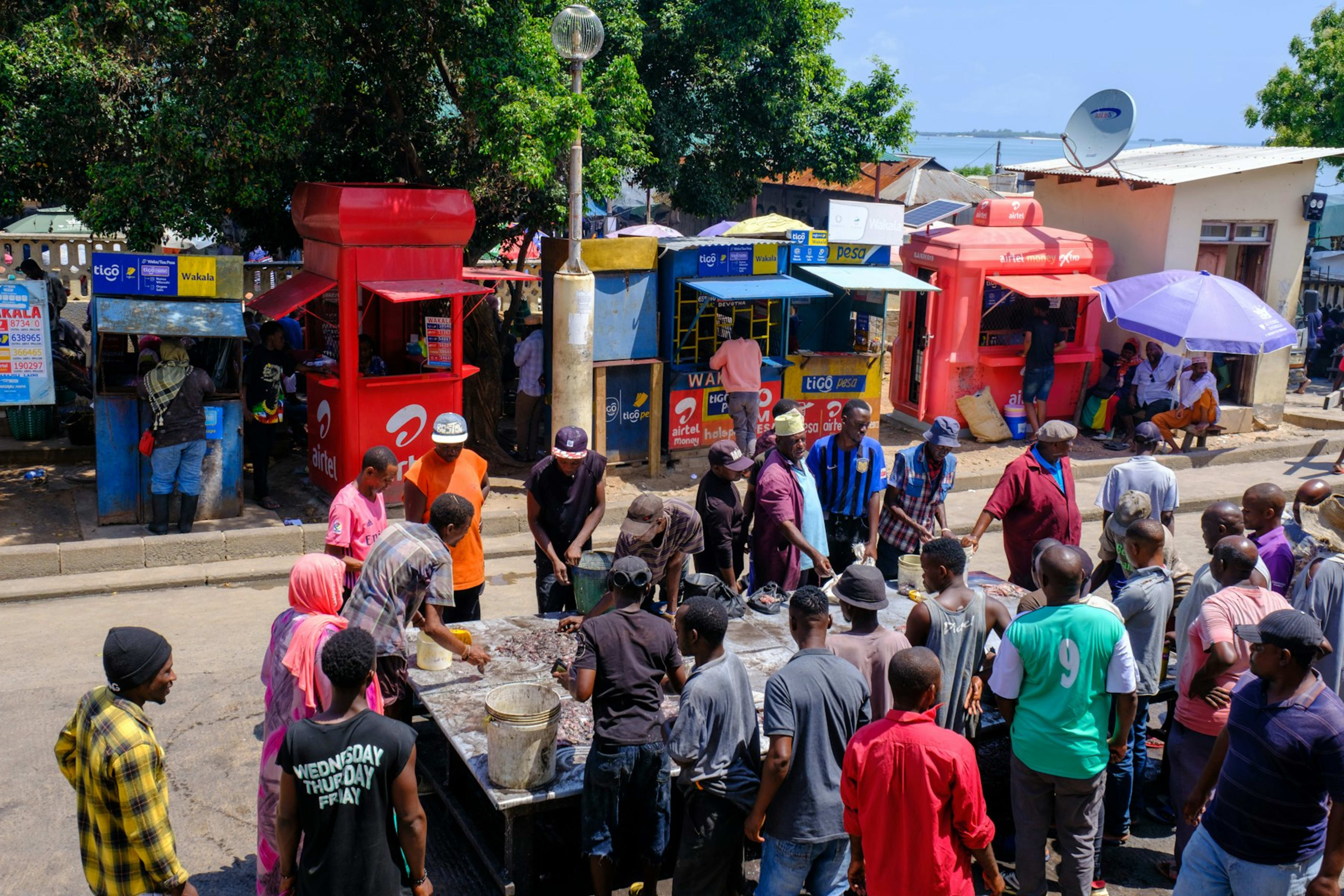
Kenya closed 2025 with 51.4 million mobile money subscriptions, a 98% penetration rate. If your business still treats M-Pesa as an afterthought, the numbers say you are swimming against the current.
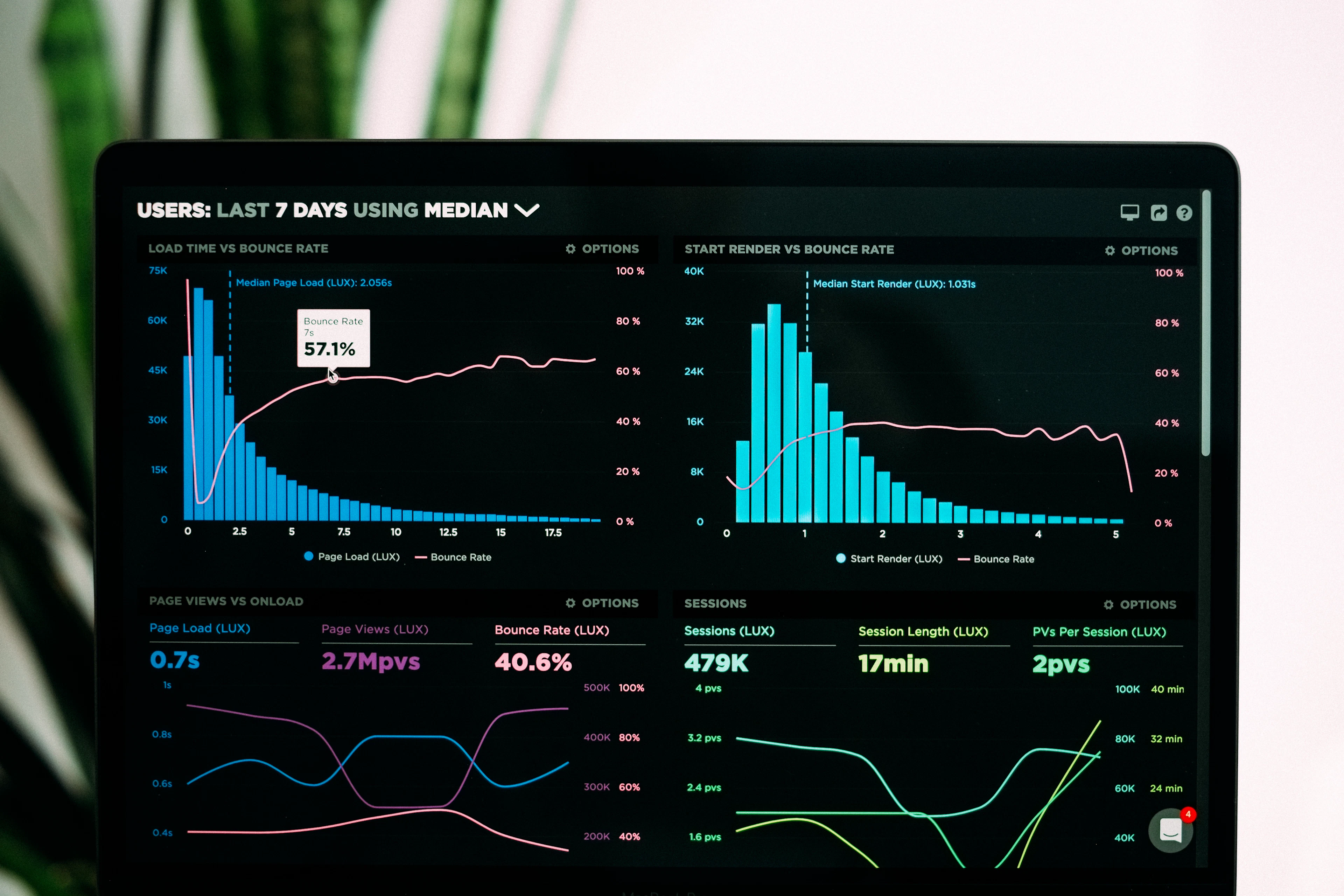
Most Kenyan businesses check how their website looks. Very few check how fast it loads. The research says speed is where the money leaks: more than half of mobile visitors leave a page that takes over three seconds.
Search engines rank pages; AI engines retrieve and cite them. Here are the five questions we grade a site on to measure how ready it is for LLMs, vector retrieval and AI answers.
The exact dependency list we add to every greenfield project, the rationale behind each choice and the libraries we deliberately keep out of every stack, and why.
Eighteen months of measured experiments across ChatGPT, Gemini and Perplexity, what triggers a brand citation, what gets paraphrased away, and how to structure content so the LLMs name you.
Hourly invoicing creates misaligned incentives for client and vendor alike. The contract architecture we use instead, what we sign, how we re-scope, and the language that prevents disputes.
Three small interface decisions made one of our authentication forms 18% easier to complete for non-English-first users. The research that justified them and the rules we now keep.
Why we stopped recommending Google Analytics in 2024, the two-hour migration we now standardise on, and the privacy posture it gives every client by default.
Feature-phone constraints forced Kenya's most successful API into a shape Silicon Valley still hasn't reproduced, a study in operational pragmatism over architectural elegance.
We learned this on three consecutive engagements: when an editorial team cannot publish without an engineer, the entire product loses operational momentum. The CMS-first architecture we now adopt by default, the trade-offs, the failure modes and the precise stack choices behind it.
One email when a new long-form post lands, typically every two to three weeks. No marketing sequences, no upsell. Unsubscribe at any time.