

52.3 million smartphones: mobile-first is no longer a design choice.
The Communications Authority's latest figures put smartphones at over 52 million connected devices. Here is what that means for your website.

Safaricom's new JumbeID hides customers' names and numbers on payment messages. Businesses that still verify payments by screenshot should change how they work.
By Hanova Editorial
In October 2026 Safaricom introduced M-PESA Jumbe, a privacy feature that replaces a customer's full name and phone number with a short alias called a JumbeID, made up of initials and the last two digits of their number (The Online Kenyan). Safaricom's reason is one every shop owner will recognise: customers are often asked to show their M-PESA message as proof of payment, and that exposes personal details to whoever looks.
The same announcement lets Lipa na M-PESA and Pochi la Biashara merchants nominate up to 50 additional people to receive payment notifications. That means a cashier, a delivery rider or a branch manager can see that a payment arrived without asking the customer to prove it.
Verifying payment by looking at a customer's phone, or by a forwarded screenshot, has three problems:
Kenya's Data Protection Act also expects businesses to collect only the personal data they need. A gallery full of customers' payment messages is hard to defend.
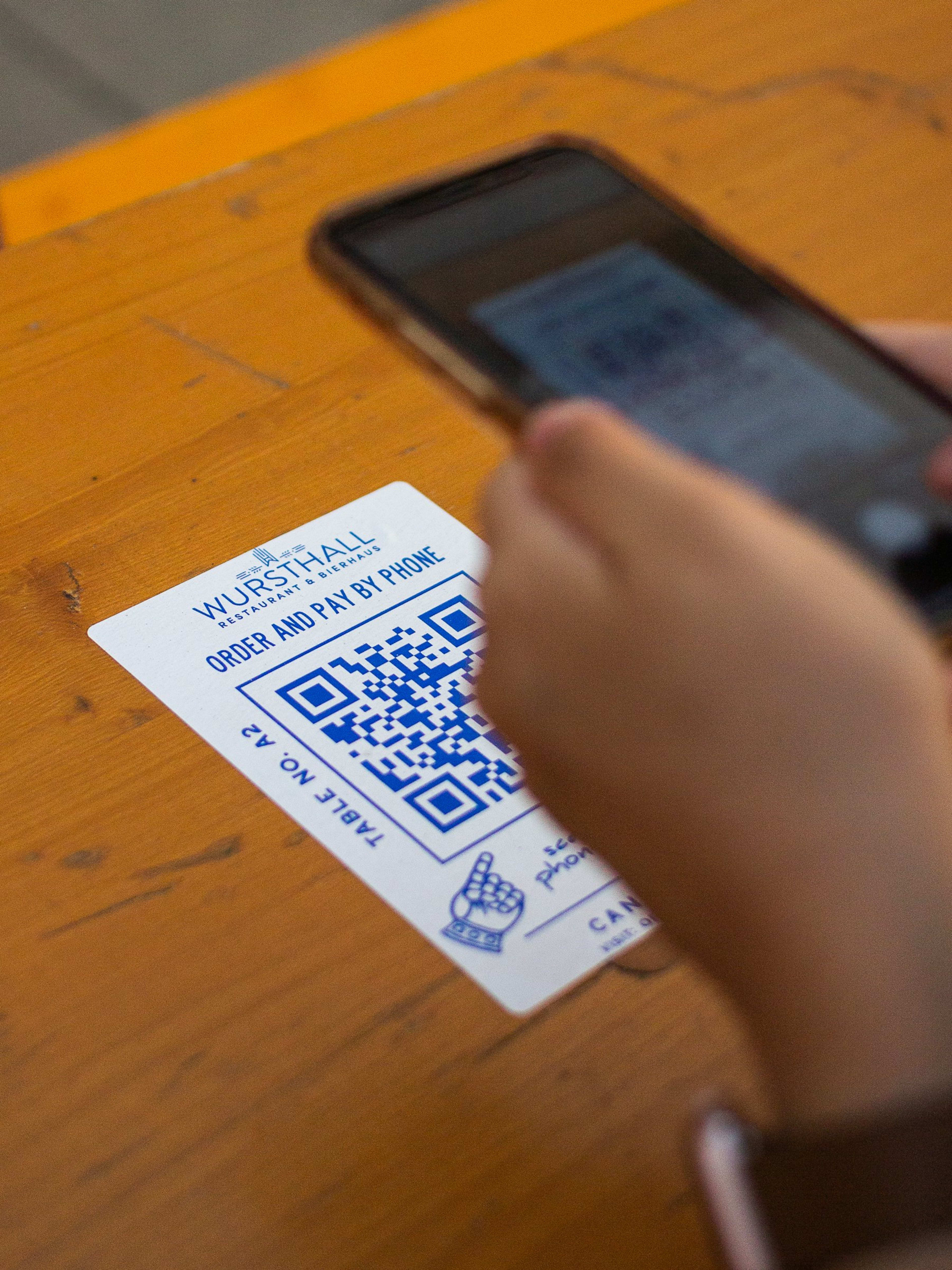
Between Jumbe, Scan-to-Pay and the growth of API payments, M-PESA is moving towards payments that verify themselves. Businesses that build on that, rather than on photos of phones, will be faster at the counter and safer with customer data.
We build M-PESA confirmation into websites and business systems so payments are matched to orders automatically. Ask us how.
The Communications Authority's latest figures put smartphones at over 52 million connected devices. Here is what that means for your website.
Safaricom and Pesapal have taken QR and NFC payments to the till. Here is what changes for Kenyan merchants, online and off.